
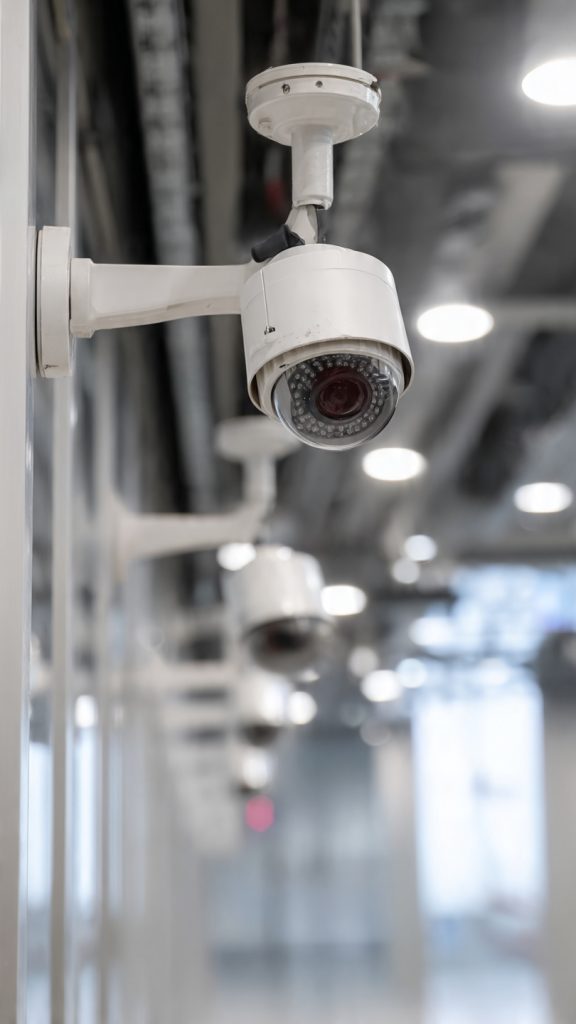
24/7 Recording: Solar CCTV Storage Requirements
When you invest in solar CCTV systems for your property in Roodepoort or Randburg, one crucial question arises: how much storage do you actually need? This becomes even more critical for continuous recording that captures every moment around your premises. Let’s explore the storage options that keep your security footage safe and compliant with South African regulations.
Understanding Storage Requirements for Continuous Recording
Solar CCTV systems have transformed security surveillance by eliminating power dependency. However, these systems still face the same storage challenges as traditional setups. The amount of storage you need depends on several key factors that directly impact your surveillance effectiveness.
Key Factors That Determine Storage Needs
Camera resolution plays the primary role in determining storage requirements. A single 1080p camera recording at 30 frames per second consumes approximately 60 to 100GB in 24 hours. This means a four-camera system recording continuously would require around 240 to 400GB daily. Higher resolution 4K cameras demand even more space, with 1TB supporting only seven to ten days of footage.
The number of cameras in your system multiplies your storage needs proportionally. Therefore, larger properties require careful planning to ensure adequate capacity. Additionally, the compression technology your system uses significantly affects storage efficiency. Modern H.265 compression reduces file sizes compared to older H.264 formats without compromising video quality.
Your desired retention period directly influences total storage requirements. South African regulations under the Protection of Personal Information Act (POPIA) recommend keeping footage for 30 to 90 days based on your collection purpose. Consequently, longer retention periods demand substantially larger storage capacity.
SD Card Storage: Compact but Limited
SD cards offer a straightforward storage solution for solar CCTV systems. These small memory cards slot directly into compatible cameras, providing local storage without additional hardware. Many modern solar cameras support SD cards ranging from 64GB to 512GB capacity.
Advantages of SD Card Storage
SD cards present several benefits for residential and small commercial applications. They’re affordable, easy to install, and require no complex setup procedures. Furthermore, CCTV systems for home installations benefit from their simplicity and accessibility.
The compact nature of SD cards makes them ideal for wireless solar cameras where cable runs aren’t feasible. Additionally, they provide immediate local access to footage without internet connectivity requirements. This proves particularly valuable during network outages or in remote locations.
Limitations to Consider
However, SD cards come with notable constraints. A 128GB card typically stores only three to five days of continuous 1080p footage from a single camera. Moreover, SD cards have finite write cycles, meaning they eventually wear out with continuous recording.
Physical vulnerability presents another concern. SD cards can be stolen or damaged along with the camera itself. Therefore, relying solely on SD card storage for critical security footage carries inherent risks that businesses should carefully evaluate.
Network Video Recorders: Professional Grade Storage
Network Video Recorders (NVRs) represent the professional standard for CCTV storage solutions. These dedicated devices connect multiple IP cameras and store footage on internal hard drives with capacities ranging from 1TB to 16TB or more.
Why NVRs Excel for 24/7 Recording
NVRs provide robust storage capacity that SD cards simply cannot match. A 2TB hard drive can store approximately 30 days of continuous footage from four 1080p cameras. Furthermore, many commercial CCTV security installations in Johannesburg’s business districts rely on NVR systems for their reliability.
Centralized management stands as a key advantage. NVRs allow you to monitor multiple cameras simultaneously through a single interface. Additionally, they offer advanced features like motion detection recording, scheduled recording, and intelligent video analytics that optimize storage usage.
Professional-grade NVRs include RAID configurations that protect against hard drive failures. This redundancy ensures your footage remains accessible even when hardware issues arise. Moreover, NVRs typically support remote access via mobile apps and web browsers.
Power Considerations for Solar Systems
When pairing NVRs with solar CCTV installations, power consumption becomes crucial. NVRs require continuous power to operate, which means your PV solar system must generate sufficient energy to support both cameras and the recording device.
Accend Security’s solar installations in Roodepoort are designed with adequate battery capacity to sustain NVRs through cloudy days and nighttime operation. Proper system sizing ensures uninterrupted recording without compromising your security coverage.
Cloud Storage: Modern Flexibility with Ongoing Costs
Cloud storage has emerged as an attractive alternative for CCTV systems. This approach uploads your footage to remote servers managed by service providers, eliminating the need for physical storage devices at your location.
Benefits of Cloud-Based Recording
Cloud storage offers several compelling advantages. You can access footage from anywhere with internet connectivity, making it ideal for property owners who travel frequently. Additionally, footage stored off-site remains safe even if cameras or NVRs are damaged or stolen.
Scalability represents another benefit. Cloud storage plans typically allow you to adjust capacity as your needs change. Furthermore, many providers handle maintenance and upgrades automatically, reducing your technical burden.
Challenges and Cost Implications
However, cloud storage comes with notable drawbacks. Monthly subscription fees accumulate over time, potentially exceeding the one-time cost of local storage solutions. Moreover, upload speeds and bandwidth limitations can affect real-time access and playback quality.
South African internet infrastructure varies significantly by location. Properties in areas with unreliable connectivity may experience gaps in cloud recording. Additionally, data sovereignty concerns arise when footage is stored on international servers, potentially conflicting with POPIA requirements.
Continuous 24/7 recording to the cloud generates massive data transfer volumes. This can quickly exhaust monthly data caps or incur additional charges from internet service providers. Therefore, cloud storage works best when combined with motion-triggered recording rather than continuous capture.
Calculating Your Specific Storage Needs
Determining the right storage capacity for your solar CCTV system requires careful calculation. Start by identifying your camera specifications including resolution, frame rate, and compression format. Then multiply the storage per camera by your total camera count.
Practical Storage Formula
You can estimate storage requirements using this formula: daily storage equals bitrate multiplied by recording hours, then multiplied by camera count. For example, four 1080p cameras at 4Mbps require approximately 172GB daily, or 5.2TB monthly.
However, this represents continuous recording. Motion-triggered recording can reduce storage requirements by 60 to 80 percent depending on activity levels. Many alarm systems in Randburg integrate with CCTV to trigger recording only during security events.
Planning for Growth and Contingencies
Smart planning includes buffer capacity beyond your calculated minimum. Storage technology fails occasionally, and having extra capacity prevents footage loss. Additionally, you may add cameras to your system as security needs evolve.
Consider retention requirements carefully. While 30 days typically suffices for residential properties, commercial installations may require 60 to 90 days for legal compliance. Electric fence systems paired with CCTV benefit from longer retention to investigate persistent intrusion attempts.
Legal Compliance and Retention Requirements
Understanding South African legal requirements ensures your CCTV storage strategy remains compliant. POPIA governs how you collect, store, and manage surveillance footage containing personal information.
POPIA Storage Guidelines
The act stipulates that footage should not be stored indefinitely. Retention periods must match your legitimate purpose, typically ranging from 30 to 90 days. Furthermore, you must implement security measures protecting footage from unauthorized access or breaches.
Businesses must notify employees and visitors about CCTV surveillance through visible signage. Access to footage should be restricted to authorized personnel only. Moreover, individuals have rights to request access to recordings containing their personal information.
Practical Compliance Measures
Implementing compliant storage practices starts with establishing clear policies. Document your retention periods, access protocols, and data protection measures. Additionally, regularly audit your systems to ensure ongoing compliance.
Consider automatic overwrite features that delete old footage according to your retention schedule. This prevents indefinite storage that violates POPIA principles. Furthermore, maintain secure backup procedures for footage that may be required for legal proceedings or insurance claims.
When choosing cloud storage, verify that providers comply with South African data protection laws. Footage stored internationally may face additional regulatory scrutiny. Therefore, local or regionally-based cloud services often present safer options for compliance.
Hybrid Storage Solutions: Best of Both Worlds
Many security professionals recommend hybrid storage strategies that combine multiple approaches. This provides redundancy while optimizing costs and accessibility.
Combining Local and Cloud Storage
A typical hybrid setup uses SD cards or NVRs for immediate local storage while simultaneously backing up critical footage to the cloud. This ensures footage availability even if local storage is compromised. Additionally, you benefit from cloud accessibility without the cost of storing all footage remotely.
Motion-triggered cloud uploads combined with continuous local recording offer an excellent balance. Your NVR captures everything continuously while the cloud receives only important events. This approach dramatically reduces cloud storage costs while maintaining comprehensive coverage.
Redundancy for Critical Applications
Commercial CCTV installations in Johannesburg often implement dual NVR systems for mission-critical applications. One NVR serves as the primary recorder while a secondary device mirrors the footage. This redundancy protects against hardware failures that could compromise security investigations.
For businesses requiring absolute certainty, consider combining NVR systems with off-site backup to a second location. This protects against disasters like fire or theft that might destroy on-site recording equipment. Many organizations in Roodepoort’s industrial areas implement such arrangements for comprehensive protection.
Optimizing Storage Efficiency
Maximizing your storage capacity doesn’t always require buying more hardware. Several strategies can significantly extend how long your existing storage lasts.
Smart Recording Modes
Motion detection recording dramatically reduces storage consumption. Cameras only record when they detect movement, eliminating hours of static footage. Modern AI-powered cameras distinguish between people, vehicles, and animals, further reducing false triggers.
Scheduled recording offers another option. You might record continuously during business hours while switching to motion detection overnight. This approach balances comprehensive coverage with storage efficiency. Additionally, intercom systems can trigger recording when visitors arrive.
Resolution and Frame Rate Adjustments
Not all cameras require maximum resolution. Cameras monitoring parking lots or perimeters might function perfectly at 720p rather than 4K. Similarly, reducing frame rates from 30fps to 15fps cuts storage requirements in half with minimal impact on usability.
However, avoid compromising critical camera positions. Entrance cameras should maintain high resolution for facial identification. Finding the right balance between quality and storage efficiency requires careful analysis of each camera’s specific purpose.
Making the Right Choice for Your Property
Selecting appropriate storage for your solar CCTV system depends on your unique circumstances. Residential properties typically manage well with SD cards or small NVRs combined with motion detection. Commercial installations usually require larger NVR systems with extended retention periods.
Residential Recommendations
For homes in Randburg and surrounding areas, a hybrid approach works well. Use SD cards or a compact 1TB NVR for local storage with cloud backup for critical cameras like your front entrance. This provides adequate coverage without excessive costs. Furthermore, integrate your CCTV with gate automation systems for comprehensive access control.
Commercial Requirements
Businesses need more robust solutions. A 4TB to 8TB NVR provides sufficient capacity for 30 to 60 days of retention across multiple cameras. Consider RAID configurations for redundancy and plan for backup power that keeps your NVR operational during outages.
Properties with boom gates and turnstiles benefit from dedicated NVR systems that integrate access control with video surveillance. This creates comprehensive security management from a single platform.
Expert Installation Makes the Difference
Properly configuring storage for solar CCTV systems requires technical expertise. Camera positioning, network setup, and power management all affect storage efficiency and system reliability.
Accend Security brings extensive experience installing integrated security solutions across Roodepoort, Randburg, and greater Johannesburg. Our team ensures your solar CCTV system has appropriate storage capacity that meets both your security objectives and legal compliance requirements.
We assess your property’s unique characteristics, recommend optimal camera placement, and configure storage solutions that balance capacity, accessibility, and cost. Whether you need a simple residential system or complex commercial installation, we deliver reliable security that protects what matters most.
Conclusion: Storage Strategy for Lasting Security
The right storage solution for 24/7 recording on solar CCTV systems balances capacity, reliability, and compliance. SD cards work for basic needs, NVRs excel for professional applications, and cloud storage adds flexibility with ongoing costs. Most properties benefit from hybrid approaches that provide redundancy while optimizing expenses.
Remember that POPIA compliance requires thoughtful retention policies and secure access controls. Calculate your needs carefully, considering camera specifications, retention requirements, and potential system growth. With proper planning and professional installation, your solar CCTV system provides continuous protection backed by reliable storage that stands ready when you need it most.
For expert guidance on solar CCTV storage solutions tailored to your Roodepoort or Randburg property, contact Accend Security today. Our team will design a system that delivers the storage capacity and reliability your security demands.
Recent Posts:
- Can Solar CCTV Systems Integrate with Existing Alarm Systems and Armed Response?
- How Do You Maintain Solar-Powered CCTV Systems in Dusty Farm Environments?
- Hikvision vs. Dahua Solar CCTV: Which Brand Offers Better Value for South African Industries?
- Which Solar CCTV Features Are Essential for Livestock Theft Prevention on Farms?
- Do You Need Planning Permission to Install Solar CCTV on Industrial Properties in SA?