
Pedestrian Barrier Rules: A Quick Guide for SA Property Managers
Property managers across Roodepoort and Randburg face a critical responsibility. They must protect pedestrians while maintaining regulatory compliance. Understanding pedestrian barrier regulations under SANS 10400 proves essential. This knowledge protects property owners from liability and creates safer environments for everyone.
Accend Security specializes in comprehensive security solutions. We help property managers navigate complex compliance requirements. Our expertise extends throughout the West Rand area, including both residential and commercial properties.
Understanding SANS 10400 Part D: Public Safety Requirements
SANS 10400 Part D establishes the foundation for public safety in South African buildings. These regulations govern how property managers must protect pedestrians from potential hazards. The standards apply to changes in level, pedestrian entrances, ramps, and barrier installations.
South African property managers must understand these requirements thoroughly. The regulations aim to prevent accidents before they occur. Therefore, compliance creates a proactive safety culture rather than a reactive approach.
Core Pedestrian Safety Principles
The National Building Regulations mandate specific safety measures for pedestrian protection. Property managers must ensure pedestrians cannot accidentally walk into moving vehicle paths. This requirement applies particularly to parking areas and driveways.
Pedestrian entrances to vehicle parking areas must be positioned, marked, or protected appropriately. Consequently, property managers need strategic planning when designing access points. Moreover, proper positioning reduces collision risks significantly.
Safety barriers serve multiple purposes simultaneously. They create physical separation between pedestrians and vehicles. Additionally, they provide visual guidance that directs foot traffic safely. Furthermore, properly installed barriers meet legal requirements while enhancing property aesthetics.
Key Height Requirements for Pedestrian Barriers
Balconies, bridges, flat roofs, or similar places more than one meter above adjacent ground level require balustrades or parapet walls measuring at least one meter in height. This regulation protects people from dangerous falls.
Interior balconies and mezzanine floors follow similar standards. They need protective barriers at appropriate heights. However, public seating areas may have slightly reduced requirements under specific conditions.
Property managers must assess every elevated surface carefully. Even seemingly minor height differences require proper protection. Therefore, professional assessment proves invaluable for comprehensive compliance.
Specialized Requirements for Mixed-Use Areas
Ramps designed for both vehicle and pedestrian use require walkways measuring at least 1.2 meters wide with kerbs measuring at least 150 millimeters high. This separation protects pedestrians effectively.
Commercial properties often feature complex traffic patterns. Vehicles and pedestrians frequently share access routes. Consequently, proper barrier installation becomes even more critical in these environments.
Accend Security’s access control systems integrate seamlessly with pedestrian safety measures. Our solutions create comprehensive protection layers throughout your property.
Gradient and Ramp Regulations for Pedestrian Safety
Ramp specifications significantly impact pedestrian safety outcomes. Ramps used exclusively by pedestrians may have gradients up to 1:8. Steeper inclines create fall hazards and accessibility challenges.
Motor vehicle ramps have different requirements entirely. They must maintain gentler gradients within specific distances from street boundaries. These regulations ensure safe transitions between public roads and private properties.
Wheelchair-accessible ramps follow additional specialized standards. SANS 10400-S provides detailed requirements for these installations. Property managers must consult these specifications when planning accessible routes.
Practical Implementation Challenges
Many older properties struggle with gradient compliance. Retrofitting existing structures requires creative engineering solutions. Nevertheless, compliance remains mandatory regardless of property age.
Professional security companies like Accend Security understand these complexities. We assess existing installations and recommend practical compliance solutions. Our team works within existing architectural constraints while meeting all regulatory requirements.
Electric Fence and Barrier Integration Requirements
Electric fencing adds another compliance layer for property managers. Electric fences must be mounted on walls measuring at least 1.5 meters high, with live wires positioned at least 1.8 meters above ground level. These specifications protect both authorized users and the general public.
Wall-top brackets require proper spacing and installation. The maximum distance between wires demands careful attention. Moreover, the distance from public walkways requires adequate clearance for safety.
Barrier fences must complement electric fence installations. Separation between electric fences and barrier fences should range from 100 millimeters to 200 millimeters where barrier openings measure no more than 130 millimeters. This prevents accidental contact while maintaining security effectiveness.
Perimeter Security Compliance
Electric fence installations from Accend Security meet all SANS compliance requirements. Our technicians understand both security needs and regulatory obligations. Therefore, installations protect properties while satisfying legal standards.
Commercial properties face heightened scrutiny regarding perimeter security. Inspectors examine electric fence installations closely during compliance audits. Consequently, proper initial installation prevents costly retrofitting later.
Public walkways adjacent to properties require special consideration. Electric fences must never extend into pedestrian spaces. This protects the public while maintaining property security integrity.
Swimming Pool Barriers and Access Control
Swimming pools present unique pedestrian safety challenges. Property managers must ensure controlled access to these facilities. Owners must control access to swimming pools according to building regulations, though local authorities often impose stricter rules.
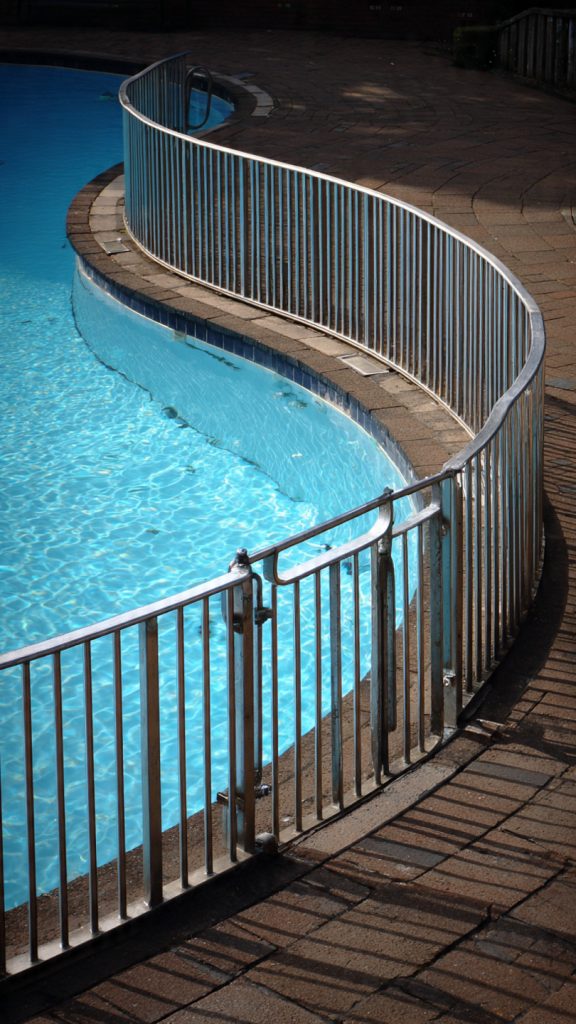
Pool fencing requires specific design characteristics. Gates must be self-closing and self-latching. Furthermore, barrier heights and opening sizes follow strict specifications. These measures prevent unsupervised child access effectively.
SANS 10134 provides additional guidance beyond basic building regulations. This standard addresses private swimming pool safety comprehensively. Property managers should consult both documents when planning pool barriers.
Multi-Dwelling Property Considerations
Properties with multiple units face complex compliance scenarios. Each dwelling may need individual pool access controls. Additionally, common area pools require enhanced protection measures.
Integrated security systems from Accend Security can coordinate pool access monitoring. Our solutions combine physical barriers with electronic monitoring. This creates comprehensive protection while simplifying management.
Boom Gates and Turnstile Compliance
Vehicular and pedestrian access control points need proper barrier systems. Boom gates serve commercial properties and estates effectively. However, they must comply with specific operational requirements.
Accend Security’s boom gates and turnstiles meet all relevant safety standards. Our installations include proper pedestrian walkways alongside vehicle lanes. Therefore, both traffic types move safely and efficiently.
Turnstiles provide controlled pedestrian access for high-traffic areas. They must allow safe passage while preventing unauthorized entry. Moreover, emergency egress requirements demand fail-safe designs that permit rapid evacuation.
Access Control Integration
Modern barrier systems integrate with comprehensive security networks. Biometric readers, card systems, and remote monitoring enhance functionality. Consequently, property managers gain both compliance and operational efficiency.
Emergency situations require special consideration. Barriers must release automatically during fire alarms or power failures. This life-safety feature proves non-negotiable regardless of security concerns.
Municipal By-Laws and Additional Requirements
National standards provide baseline requirements. However, municipalities often impose additional restrictions. Property managers must research local by-laws thoroughly before installation.
Cape Town, Johannesburg, and other major metros publish specific requirements. These documents address boundary walls, electric fencing, and pedestrian barriers. Therefore, compliance requires consulting both national and local regulations.
Some municipalities require permits before barrier installation. Others mandate specific materials or heights. Consequently, preliminary research prevents expensive mistakes and delays.
Navigating Regulatory Complexity
Professional security companies understand regional variations. Accend Security serves Roodepoort, Randburg, and surrounding areas extensively. Our local expertise ensures compliance with all applicable regulations.
Building inspectors verify compliance during property assessments. Non-compliant installations can delay occupancy certificates. Moreover, they create liability exposure for property managers and owners.
International Best Practices and Standards
South African regulations align with international safety principles. Understanding global standards provides valuable context. Moreover, international best practices often exceed local minimum requirements.
The British Standards Institute’s PAS 13 serves as the global code of practice for testing workplace safety barrier impact resilience. Many leading companies reference this standard voluntarily. Therefore, property managers seeking excellence should consider these guidelines.
Industrial facilities benefit particularly from enhanced standards. Warehouses, logistics centers, and manufacturing plants face elevated risks. Consequently, robust barrier systems prove cost-effective through accident prevention.
Learning from Global Leaders
PAS 13 provides guidance on the most effective ways to test safety barriers and ensure proper performance ratings. These testing protocols verify barrier effectiveness objectively. Property managers can request compliance certificates from reputable installers.
Visibility standards ensure barriers fulfill their protective function. High-visibility colors and reflective materials enhance barrier effectiveness. Furthermore, proper color demarcation follows globally recognized conventions.
Consequences of Non-Compliance
Non-compliant installations create multiple problems simultaneously. Legal liability tops the concern list for property managers. Accidents involving inadequate barriers generate lawsuits and insurance claims.
Municipal authorities can issue fines for regulatory violations. They may demand immediate corrective action. Furthermore, properties cannot obtain occupancy certificates without compliance. This affects rental income and property values directly.
Insurance companies scrutinize safety compliance carefully. Policies may exclude coverage for accidents involving non-compliant installations. Therefore, compliance protects both people and financial interests.
Proactive Compliance Benefits
Compliant properties attract quality tenants and buyers. Safety-conscious occupants value proper barrier installations. Moreover, compliance demonstrates professional property management standards.
Regular safety audits identify potential issues early. Professional inspections catch problems before they become violations. Accend Security provides comprehensive security assessments that include compliance verification.
Professional Installation and Ongoing Maintenance
Proper installation requires specialized knowledge and experience. DIY approaches often create compliance problems inadvertently. Therefore, professional installation proves essential for regulatory adherence.
Qualified installers understand material specifications thoroughly. They know proper spacing, heights, and positioning requirements. Moreover, they obtain necessary permits and schedule required inspections.
Maintenance keeps barriers compliant over time. Weather, wear, and impact damage compromise barrier integrity. Consequently, regular inspections and prompt repairs maintain both safety and compliance.
Choosing the Right Security Partner
Accend Security brings over nine years of specialized experience. We hold SAPVIA GreenCard Certification for solar installation compliance. Our comprehensive approach ensures all installations meet applicable standards.
Our services extend beyond initial installation. We provide 24/7 support for ongoing compliance maintenance. Therefore, property managers gain peace of mind through continuous professional oversight.
Creating Comprehensive Compliance Strategies
Successful compliance requires strategic planning rather than reactive fixes. Property managers should conduct thorough site assessments initially. This identifies all areas requiring barrier protection.
Prioritize high-risk areas for immediate attention. Parking areas, elevated surfaces, and pool areas need particular focus. Subsequently, address remaining compliance items systematically.
Documentation proves essential for compliance verification. Maintain records of all installations, inspections, and maintenance activities. These records protect against liability while demonstrating good faith efforts.
Long-Term Compliance Management
Technology integration simplifies ongoing compliance management. Smart home automation systems can monitor barrier status continuously. Sensors detect damage or tampering immediately.
Budget for compliance as an ongoing operational expense. Regular maintenance costs less than emergency repairs or liability settlements. Therefore, proactive investment protects both people and profits.
Taking Action: Your Next Steps
Property managers should begin with comprehensive site assessments. Identify all existing barriers and evaluate their compliance status. Document deficiencies and prioritize corrections based on risk levels.
Consult with qualified security professionals about correction strategies. Request detailed proposals that address both compliance and security needs. Moreover, verify installer qualifications and compliance knowledge thoroughly.
Schedule installations during low-occupancy periods when possible. This minimizes disruption while maintaining property functionality. Furthermore, communicate planned work to tenants and occupants appropriately.
Accend Security stands ready to assist with all compliance requirements. Our experienced team serves Roodepoort, Randburg, and surrounding West Rand communities. Contact us at 068 474 7303 for a comprehensive security and compliance assessment.
Conclusion
Pedestrian barrier regulations protect people while satisfying legal obligations. Property managers who understand SANS 10400 requirements create safer environments. Moreover, compliant installations protect against liability while enhancing property value.
Professional installation and maintenance prove essential for ongoing compliance. Working with experienced security companies ensures proper implementation. Therefore, choose partners who understand both security needs and regulatory requirements.
The investment in compliant pedestrian barriers pays dividends continuously. Reduced accident risk protects both people and property interests. Furthermore, compliance demonstrates professional management standards that attract quality tenants.
Take action today to assess your property’s compliance status. Partner with Accend Security for expert guidance and professional installations. Together, we create safer properties that meet all applicable regulatory standards.
About Accend Security
Accend Security provides comprehensive security solutions throughout Roodepoort, Randburg, and the West Rand area. Our services include CCTV systems, alarm installations, electric fencing, access control, and smart home automation. With over nine years of experience and SAPVIA GreenCard Certification, we deliver professional installations that meet all compliance requirements.
Contact us today at 068 474 7303 or visit accendsecurity.co.za for a free security and compliance assessment.
Recent Posts:
- 5 Reasons Why Rosebank and Melrose Arch Businesses Are Upgrading to Speed Stiles in 2025
- The Complete Guide to Choosing Pedestrian Barriers for South African Shopping Centres
- How Speed Stiles Reduced Tailgating Incidents by 87% in Sandton Corporate Buildings
- Pedestrian Barriers vs. Speed Gates: Which Access Control Solution Is Right for Your Johannesburg Office?
- What Are the Best Turnstile Solutions for High-Traffic Industrial Sites in Johannesburg?