
Multi-Property CCTV Management
Property portfolio owners across Johannesburg’s western suburbs face a unique challenge. They must manage security across multiple investments in areas like Randburg and Roodepoort. This requires more than just installing a few cameras and hoping for the best. Moreover, the complexity multiplies with each additional property. Without the right approach, investors juggle multiple systems, deal with fragmented footage, and struggle to maintain consistent security standards across their entire portfolio.
For property investors in these thriving Johannesburg suburbs, multi-property CCTV management has evolved from a luxury into an absolute necessity. The question is no longer whether to invest in surveillance. Instead, investors now ask how to implement a centralized system that provides comprehensive oversight without overwhelming complexity.
Understanding Multi-Property CCTV Management Challenges
The Reality of Managing Multiple Properties
Property investors in Randburg and Roodepoort understand that each property presents its own security considerations. A residential complex in Randburg’s Ferndale area has different vulnerabilities compared to a commercial property near the Roodepoort CBD. Similarly, student accommodation in Northcliff brings its own unique challenges. Traditional security approaches that work well for single properties become unwieldy when you scale them across multiple locations.
System Fragmentation Creates Chaos
The first major challenge involves system fragmentation. Each property operates on a different CCTV security system with separate recording devices. Additionally, they have different access protocols and monitoring interfaces. Consequently, investors waste valuable time switching between platforms. This fragmentation doesn’t just create inconvenience. It introduces security gaps where incidents might go unnoticed simply because an investor cannot efficiently monitor all locations simultaneously.
Technical Compatibility Issues Multiply
Technical compatibility presents another significant hurdle. Properties acquired at different times often come with existing security infrastructure. Unfortunately, not all systems communicate effectively with one another. Some investors inherit outdated analog systems. Meanwhile, newer acquisitions might feature modern IP-based cameras. Therefore, bridging these technological gaps requires expertise and strategic planning rather than simple plug-and-play solutions.
Maintenance Becomes Overwhelming
Maintenance complexity increases exponentially with each additional property. You must coordinate service schedules. You must manage multiple vendor relationships. Furthermore, you must ensure consistent system updates across diverse locations. This demands substantial time and resources. Without centralized management, investors often discover maintenance issues only after system failures have already compromised security.
The Centralized Surveillance Solution
How Unified Systems Transform Security
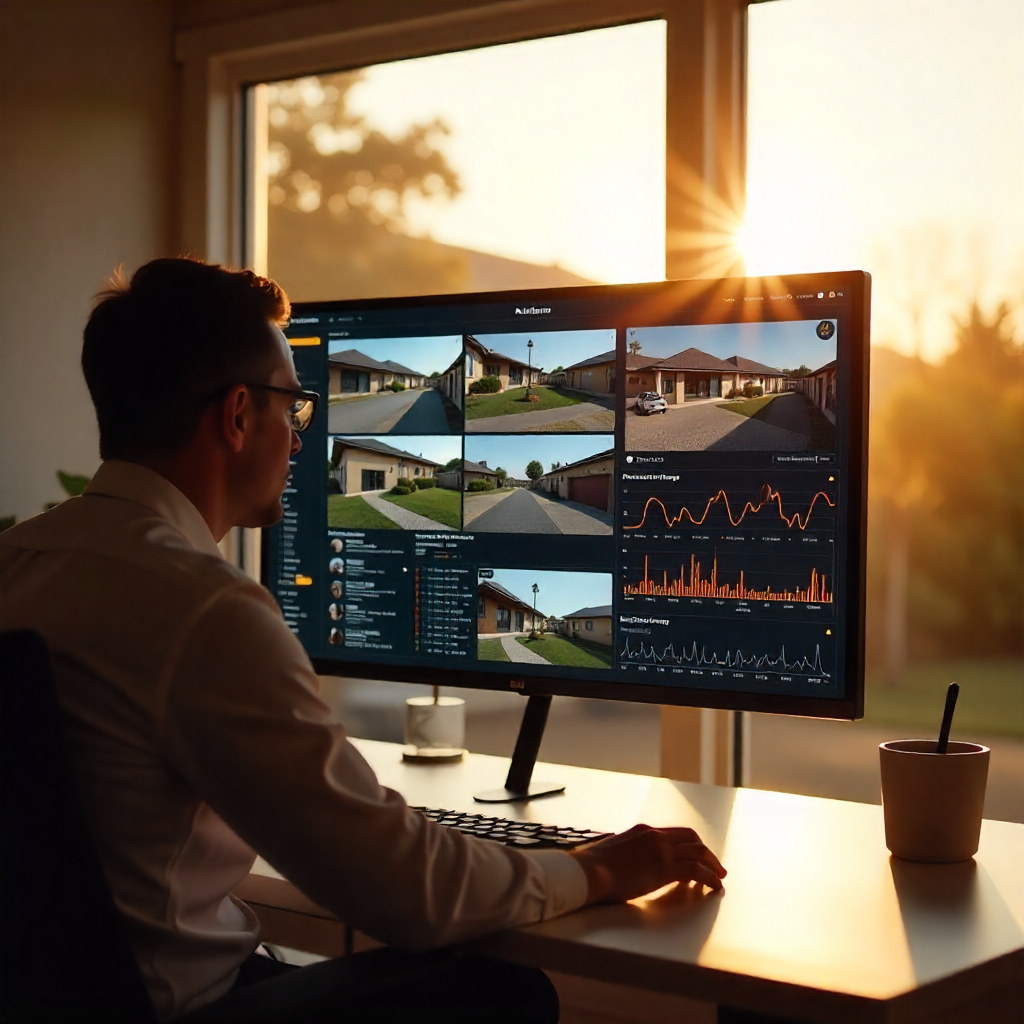
Centralized multi-property CCTV management transforms scattered security systems into a unified command center. Through cloud-based platforms and intelligent networking, property investors gain the ability to monitor all their Randburg and Roodepoort holdings from a single interface. This consolidation represents far more than mere convenience. It fundamentally changes how investors interact with security infrastructure.
Cloud Storage Revolutionizes Video Management
Modern centralized systems leverage CCTV cloud storage technology to aggregate footage from multiple properties. Rather than maintaining separate physical recording devices at each location, footage uploads automatically to secure cloud servers. Investors can then review it from anywhere with internet connectivity. This approach eliminates the risk of losing critical evidence due to stolen or damaged on-site recording equipment.
Integration Creates Comprehensive Protection
The integration capabilities of contemporary multi-property systems extend beyond simple video consolidation. Advanced platforms incorporate alarm systems and access control mechanisms. Thus, they create comprehensive security ecosystems rather than isolated surveillance tools. When motion sensors trigger at a property in Roodepoort, the system automatically directs relevant cameras to focus on that area. Simultaneously, it alerts the investor through their preferred notification channel.
Scalability Simplifies Growth
Scalability becomes remarkably straightforward with properly implemented centralized systems. Adding a new property to the portfolio requires minimal disruption to existing infrastructure. The new location’s cameras simply integrate into the existing network. They inherit the same monitoring protocols, storage solutions, and access permissions already established for other properties.
Strategic Implementation for Johannesburg’s Western Suburbs
Understanding Local Security Dynamics
Successfully deploying multi-property CCTV management in Randburg and Roodepoort requires understanding the specific characteristics of these areas. According to the National Crime Prevention Council, strategic camera placement significantly impacts security effectiveness. These principles apply doubly when you manage multiple properties across diverse neighborhoods.
Starting with Comprehensive Assessments
The implementation process begins with comprehensive site assessments across all properties. Professional security providers like Accend Security evaluate each location’s unique vulnerabilities. They assess existing infrastructure and integration potential. This assessment phase identifies which properties require complete system overhauls. It also determines where you can incorporate existing equipment into the centralized network.
Building Robust Network Infrastructure
Network infrastructure forms the foundation of effective multi-property surveillance. Reliable internet connectivity at each property ensures uninterrupted footage transmission to cloud storage. It also enables real-time remote monitoring. Properties with inadequate bandwidth may require infrastructure upgrades before advanced surveillance systems can function optimally. In areas where fiber connectivity proves challenging, alternative solutions like LTE backup connections provide redundancy.
Selecting the Right Equipment
Camera selection and placement demand property-specific consideration. High-traffic retail properties require different camera types compared to residential units or vacant land holdings. Outdoor cameras must withstand Johannesburg’s weather variations. These range from intense summer sun to occasional hailstorms. Meanwhile, indoor cameras can prioritize image quality over environmental durability. Understanding these distinctions prevents the costly mistake of deploying inappropriate equipment across a portfolio.
Advanced Features for Portfolio Optimization
Artificial Intelligence Enhances Security
Multi-property CCTV management systems have evolved far beyond simple video recording. Contemporary platforms incorporate artificial intelligence and machine learning algorithms. These transform passive surveillance into proactive security intelligence. These features provide property investors with insights that directly impact both security outcomes and operational efficiency.
Smart Motion Detection Saves Time
Intelligent motion detection eliminates the tedious process of reviewing hours of uneventful footage. Advanced systems distinguish between genuine security concerns and benign movements. For instance, they differentiate unauthorized entry from passing vehicles or animals. This discrimination dramatically reduces false alarms. It ensures that genuine incidents receive immediate attention. For investors managing multiple properties, this feature proves invaluable by focusing attention where you genuinely need it.
Facial Recognition Adds Control
Facial recognition technology offers legitimate benefits for multi-property management. You can pre-register authorized personnel like maintenance workers or property managers in the system. This allows investors to verify that only approved individuals access their properties. When unknown faces appear repeatedly across multiple locations, the system flags these patterns for review. This potentially identifies coordinated security threats.
Analytics Provide Business Intelligence
Heat mapping analytics reveal traffic patterns across properties over time. This data helps investors understand which areas receive the most activity. Consequently, it informs decisions about everything from lighting placement to property layout modifications. For commercial properties, understanding peak traffic periods and customer movement patterns provides valuable business intelligence beyond security applications.
Automation Creates Rapid Response
Integration with existing smart home automation systems creates responsive security environments. When cameras detect motion after hours, integrated systems automatically illuminate the area. They can also activate sirens or lock down specific access points. This automated response occurs faster than human operators could react. Therefore, it potentially deters intruders before they fully breach property boundaries.
Managing Costs and Return on Investment
Understanding the True Investment
Property investors naturally scrutinize any significant expenditure. Multi-property CCTV systems represent substantial initial investment. However, understanding the true cost equation requires looking beyond upfront hardware expenses. You must consider long-term operational savings and risk mitigation value.
Consolidation Reduces Operating Costs
Centralized management significantly reduces ongoing operational costs compared to managing isolated systems at each property. A single service contract with a provider like Accend Security covers maintenance and monitoring across an entire portfolio. You don’t need to negotiate separate agreements for each location. This consolidation typically delivers cost savings of twenty to thirty percent compared to fragmented approaches.
Insurance Benefits Add Up
Insurance implications deserve careful consideration in the investment analysis. Many insurance providers offer premium reductions for properties equipped with professional-grade surveillance systems. This particularly applies to those with 24/7 security system monitoring. When you multiply these reductions across multiple properties, they can offset system costs over time. Additionally, documented surveillance footage streamlines insurance claims processes. This potentially saves thousands in disputed claims.
Prevention Protects Property Values
Visible, professional surveillance provides deterrent value that you cannot easily quantify. Nevertheless, it significantly impacts security outcomes. Properties with obvious camera coverage experience fewer break-in attempts according to numerous criminology studies. For property portfolios, this deterrent effect protects not just physical assets. It also maintains property values by preventing the neighborhood decline that follows security incidents.
Remote Monitoring Protects Vacant Properties
Vacancy periods become less risky with comprehensive surveillance. Empty properties attract vandalism, squatting, and theft. This particularly occurs in transitional neighborhoods. Remote monitoring allows investors to oversee vacant properties without constant physical visits. As a result, it reduces both security risks and the time investment required for portfolio management. The ability to verify property conditions remotely proves especially valuable when you manage properties across different areas of Randburg and Roodepoort.
Compliance and Legal Considerations
Understanding POPIA Requirements
Operating surveillance systems across multiple properties introduces compliance obligations. South Africa’s Protection of Personal Information Act (POPIA) establishes strict requirements. These govern how property owners collect, store, and use surveillance footage. This particularly applies when that footage might capture tenants, visitors, or members of the public.
Implementing Clear Policies
Property investors must implement clear policies regarding surveillance system purpose and scope. Tenants deserve notification about camera locations and the intended use of collected footage. According to guidelines from the Information Regulator of South Africa, surveillance for legitimate security purposes is permissible. However, cameras positioned to monitor private spaces like bedroom windows violate privacy protections. This applies regardless of security justifications.
Managing Footage Retention
Footage retention policies require deliberate consideration. Storing surveillance footage indefinitely creates unnecessary privacy risks and data management burdens. Most legal experts recommend retention periods between thirty and ninety days for routine footage. You should preserve recordings longer only for specific security incidents or legal proceedings. Automated deletion protocols help ensure compliance without manual oversight.
Controlling System Access
Access control to surveillance systems becomes increasingly important as portfolio size grows. Not everyone involved in property management requires access to all footage from all properties. Implementing role-based access permissions ensures that property managers, maintenance contractors, and security personnel can only view footage relevant to their specific responsibilities. This compartmentalization protects tenant privacy while maintaining operational flexibility.
Selecting the Right Implementation Partner
Experience Matters Most
The technical complexity and compliance requirements of multi-property CCTV management make partner selection critical. Not all security providers possess the expertise, infrastructure, and ongoing support capabilities necessary for successful portfolio-scale implementations.
Look for Proven Track Records
Experience with multi-property deployments distinguishes capable providers from those accustomed only to single-location installations. Providers should demonstrate successful implementations of similar scope and complexity. Preferably, they should have experience within Randburg and Roodepoort. There, they understand local conditions, connectivity challenges, and area-specific security considerations. References from other property investors provide valuable insights into provider performance during both initial installation and ongoing support.
Assess Technical Capabilities
Technical capabilities extend beyond basic installation skills. Effective multi-property systems require networking expertise, cloud platform management, and integration abilities. These allow diverse equipment to function cohesively. Providers should demonstrate vendor-agnostic approaches. They should prioritize optimal solutions rather than pushing specific product lines that may not suit all properties within a portfolio.
Evaluate Ongoing Support
The level of ongoing support available after installation frequently determines long-term system success. Technical issues inevitably arise. Response time matters significantly when security systems malfunction. Providers offering comprehensive intruder detection systems and monitoring services provide peace of mind that extends beyond hardware functionality.
Ensure Proper Training
Training and knowledge transfer often receive insufficient attention during implementation planning. Property managers and relevant personnel require thorough training in system operation. They also need instruction on routine maintenance and basic troubleshooting. Effective providers invest time ensuring that clients can independently handle everyday system interactions. They remain available for complex technical issues.
Future-Proofing Your Security Investment
Prioritizing Adaptability
Technology evolution accelerates continuously. Security systems you install today must accommodate tomorrow’s capabilities without requiring complete replacement. Forward-thinking property investors prioritize adaptability and upgrading potential when they implement multi-property CCTV systems.
Choosing Open Architecture
Open architecture platforms provide maximum flexibility for future enhancement. Proprietary systems lock investors into specific vendors or technologies. This creates vulnerability to vendor discontinuation, pricing changes, or simply being left behind as industry standards evolve. Systems built on open standards allow component upgrades without wholesale replacement.
Preparing for AI Advances
Artificial intelligence capabilities continue advancing rapidly. Security applications represent prime beneficiaries of these developments. Systems with built-in AI processing capacity can receive software updates that add new analytical capabilities. You don’t need hardware changes. Features like object recognition, behavioral analysis, and predictive threat assessment seem futuristic today. However, they may become standard expectations within just a few years.
Planning for Bandwidth Growth
Bandwidth requirements have steadily increased as camera resolutions improve. Analytical features demand more processing power. Infrastructure planning should anticipate higher data transmission needs than current systems require. Properties near fiber connectivity routes should consider upgrading even if current bandwidth suffices. Future capabilities may demand significantly more capacity.
Embracing Integration Possibilities
Integration possibilities expand as the Internet of Things matures. Security systems increasingly interface with building management systems, energy monitoring, and even predictive maintenance platforms. Multi-property CCTV systems architected with integration flexibility position investors to leverage these developing capabilities as they become mainstream.
Conclusion
Multi-property CCTV management represents far more than an operational convenience for property investors in Randburg and Roodepoort. It constitutes a strategic asset that protects property values. Furthermore, it reduces operational complexity and provides comprehensive security oversight across entire portfolios. The initial complexity and investment required for proper implementation pay dividends through enhanced security outcomes. Additionally, they deliver operational efficiency and peace of mind.
As Johannesburg’s western suburbs continue developing and property values appreciate, sophisticated security infrastructure separates premium properties from average holdings. Tenants increasingly expect professional-grade security as a standard amenity rather than a luxury feature. Property investors who implement centralized surveillance solutions position their portfolios competitively. Simultaneously, they protect their substantial financial commitments.
The technology enabling effective multi-property CCTV management has matured. Implementation challenges now primarily involve planning and execution rather than technical limitations. Working with experienced providers who understand both the technology and the specific requirements of property portfolio management ensures successful deployments. These deliver intended benefits.
For property investors serious about protecting their holdings across Randburg and Roodepoort, centralized multi-property CCTV management has transitioned from optional enhancement to essential infrastructure. The question is not whether to implement such systems. Rather, it’s how quickly investors can deploy them before security incidents or operational inefficiencies erode property values and investor returns.
Recent Posts:
- Upgrading from Analog to IP Cameras in Illovo, Inanda, and Westcliff: Modern Surveillance Technology Benefits for Established Homes
- CCTV Storage Solutions: Cloud vs. Local Recording for Kyalami and Midrand Estates
- Remote Access CCTV: Stay Connected to Your Parkhurst and Parktown North Home
- Weather-Resistant CCTV Systems for Centurion Golf Estates and Irene Properties
- Privacy Laws and CCTV Placement: Legal Guidelines for Morningside and Atholl Residents