
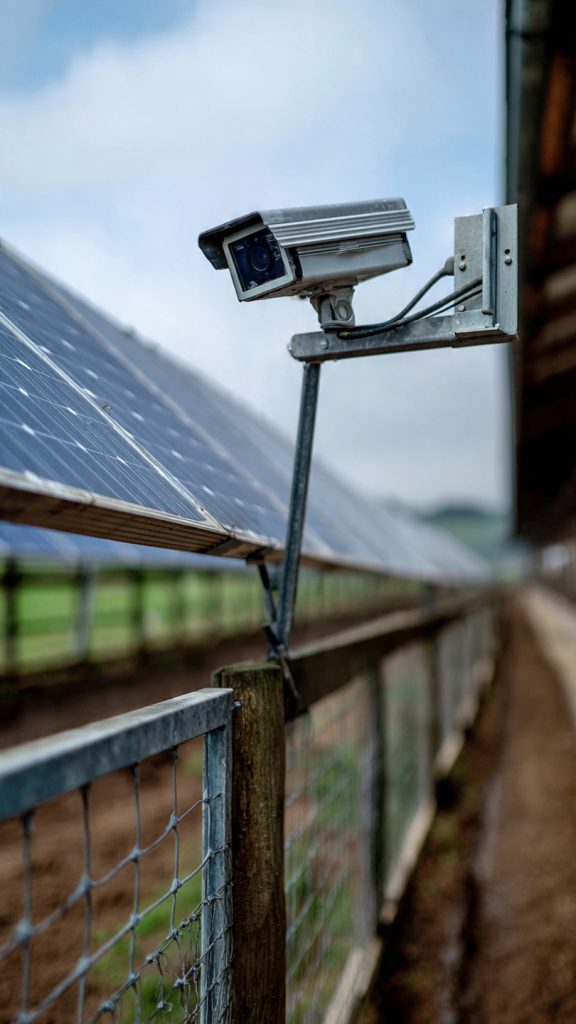
Solar-Powered CCTV Systems Installation Cost
Farm security has become increasingly critical across South Africa. Moreover, agricultural theft continues to escalate nationwide. Subsequently, many farmers now turn to solar-powered CCTV systems as their primary defense. These innovative systems offer round-the-clock protection without relying on traditional power sources. Therefore, they represent an ideal solution for large agricultural properties.
Accend Security, based in Roodepoort and Randburg, specializes in comprehensive security installations. Additionally, the company brings extensive expertise to agricultural surveillance projects. This guide breaks down the complete costs associated with installing solar-powered CCTV systems on a 100-hectare farm.
Understanding Solar-Powered CCTV for Large Agricultural Properties
Solar-powered CCTV systems operate independently of municipal electricity. Instead, they harness sunlight to maintain continuous surveillance. Consequently, these systems prove particularly valuable for remote farm locations. Furthermore, they eliminate ongoing electricity costs while providing reliable security coverage.
A 100-hectare farm presents unique security challenges. Vast open spaces require strategic camera placement. Meanwhile, perimeter fencing spans considerable distances. Therefore, the solar-powered approach makes economic and practical sense for properties of this magnitude.
Equipment Costs for a 100-Hectare Farm Security System
The equipment represents the most substantial upfront investment. Typically, a comprehensive farm security system includes several critical components. Each element plays a vital role in ensuring complete property protection.
Solar-Powered CCTV Cameras
High-quality outdoor cameras form the foundation of any farm security system. These cameras must withstand harsh weather conditions. Additionally, they need to deliver clear footage both day and night. Professional-grade cameras with night vision capabilities range from R3,500 to R8,500 per unit. Moreover, CCTV systems for commercial properties require robust specifications to handle agricultural environments.
For a 100-hectare farm, strategically positioning 25 to 40 cameras ensures comprehensive coverage. This placement includes perimeter monitoring, building surveillance, and equipment protection. Consequently, camera costs alone typically range between R87,500 and R340,000 depending on specifications.
Solar Panels and Battery Systems
Each camera requires adequate solar power to function reliably. Individual solar panels with integrated battery storage systems cost approximately R4,500 to R9,500 per camera location. These systems must provide uninterrupted power throughout cloudy periods. Therefore, battery capacity becomes crucial for consistent operation.
Additionally, larger PV solar systems might be necessary for central monitoring stations. These systems power recording equipment, network devices, and control rooms. Subsequently, centralized solar installations add R85,000 to R250,000 to the total project cost.
Recording and Storage Infrastructure
Network Video Recorders (NVRs) store and manage footage from multiple cameras. Professional-grade NVR systems cost between R15,000 and R45,000. Furthermore, adequate storage capacity must accommodate several weeks of footage. Cloud storage solutions offer an alternative, though they incur ongoing monthly fees.
Networking and Connectivity Equipment
Connecting cameras across vast distances requires specialized networking equipment. Wireless transmission systems, signal boosters, and network switches facilitate communication between devices. Generally, networking infrastructure costs R45,000 to R120,000 for large-scale agricultural installations.
Mounting Hardware and Enclosures
Cameras need weatherproof housings and sturdy mounting solutions. Additionally, poles, brackets, and protective enclosures ensure equipment longevity. These components typically add R25,000 to R65,000 to the overall project cost.
Installation Costs Breakdown
Professional installation ensures optimal system performance. Furthermore, experienced technicians understand the unique challenges of agricultural security. Accend Security’s team brings specialized knowledge to every farm installation project.
Site Assessment and System Design
Initially, security professionals conduct thorough property evaluations. They identify vulnerable areas and determine optimal camera placement. Consequently, this planning phase costs approximately R8,500 to R18,500. However, comprehensive planning prevents costly mistakes later.
Labor and Installation Services
Installing cameras across 100 hectares requires significant labor. Technicians must mount equipment, run cables, and configure systems. Additionally, they test each component to ensure proper functionality. Therefore, installation labor typically ranges from R85,000 to R185,000. Moreover, electric fence installation might complement CCTV systems for enhanced perimeter security.
Integration with Existing Security Infrastructure
Many farms already have alarm systems or access control measures in place. Integrating solar CCTV with these systems creates comprehensive security coverage. Subsequently, integration services add R15,000 to R35,000 depending on complexity.
Travel and Accommodation Costs
Large agricultural properties often sit in remote locations. Therefore, installation teams might require multiple site visits. Travel expenses and accommodation costs add approximately R5,500 to R15,500 to the project total.
Total Equipment and Installation Investment
Combining all components provides a clear picture of the total investment required. A comprehensive solar-powered CCTV system for a 100-hectare farm typically costs between R480,000 and R1,250,000. However, this range varies based on specific requirements and equipment quality.
Premium systems with advanced features naturally command higher prices. Conversely, basic setups cost less while still providing essential security coverage. Therefore, working with experienced professionals helps optimize both budget and protection levels.
Ongoing Maintenance and Operational Costs
Solar-powered systems minimize operational expenses. Nevertheless, regular maintenance ensures continued performance. Additionally, proactive upkeep prevents costly repairs later.
Annual Maintenance Requirements
Professional maintenance visits should occur twice yearly. Technicians clean solar panels, inspect cameras, and verify system functionality. Consequently, annual maintenance contracts cost approximately R25,000 to R55,000. Moreover, CCTV security for homes requires similar maintenance protocols scaled appropriately.
Component Replacement Costs
Batteries typically last three to five years before requiring replacement. Each battery replacement costs between R2,500 and R5,500. Furthermore, cameras might need replacing after seven to ten years depending on usage and environmental conditions.
Monitoring Service Fees
Many farms opt for professional monitoring services. These services provide 24/7 surveillance and rapid response to security events. Monthly monitoring fees range from R2,500 to R8,500 depending on the service level. Consequently, annual monitoring costs add R30,000 to R102,000 to operational expenses.
Insurance Considerations
Comprehensive security systems often reduce farm insurance premiums. Insurance companies recognize that robust surveillance deters theft and facilitates claim processing. Therefore, premium reductions can offset system costs over time.
Factors Affecting Total System Costs
Several variables influence the final investment required. Understanding these factors helps farmers make informed decisions. Additionally, they enable more accurate budget planning.
Property Topography and Layout
Hilly or uneven terrain requires additional mounting solutions. Moreover, valleys and ridges might necessitate signal repeaters. Consequently, challenging topography increases both equipment and installation costs.
Camera Coverage Requirements
Properties with numerous buildings need more cameras. Similarly, high-value equipment areas require concentrated surveillance. Therefore, specific security priorities directly impact total camera counts and system costs.
Technology Specifications
AI-powered analytics significantly enhance threat detection capabilities. According to industry research, artificial intelligence reduces false alarms by up to 90%. However, advanced analytical features increase per-camera costs by 30% to 50%.
Connectivity Options
Areas with cellular coverage can utilize 4G/5G connectivity. Alternatively, properties without network access require satellite or point-to-point wireless systems. Subsequently, connectivity solutions impact both initial costs and ongoing operational expenses.
Brand and Quality Considerations
Premium brands like Hikvision, Dahua, and Axis Communications offer superior reliability. Additionally, established manufacturers provide better warranties and technical support. Therefore, quality equipment costs more initially but delivers greater long-term value.
Cost-Saving Strategies for Farm Security Systems
Strategic planning reduces overall system costs. Furthermore, several approaches help maximize security budgets. Consequently, farmers can achieve comprehensive protection while managing expenses.
Phased Implementation Approach
Installing security systems in phases spreads costs over time. Initially, prioritize high-risk areas like equipment storage and livestock pens. Subsequently, expand coverage to lower-priority zones. Therefore, this approach makes large-scale security more financially accessible.
Leveraging Existing Infrastructure
Utilizing existing poles, buildings, and structures reduces mounting costs. Moreover, integrating with current gate automation systems creates synergies. Consequently, leveraging infrastructure lowers installation expenses significantly.
Hybrid Power Solutions
Combining solar power with backup generators ensures uninterrupted operation. Additionally, this approach reduces battery capacity requirements. Therefore, hybrid systems often cost less than pure solar installations while maintaining reliability.
Bulk Equipment Purchasing
Ordering multiple cameras simultaneously often qualifies for volume discounts. Furthermore, purchasing complete systems rather than individual components reduces costs. Subsequently, bulk buying can save 15% to 25% on equipment expenses.
Return on Investment Considerations
Solar-powered CCTV systems deliver substantial long-term value. Additionally, they provide benefits beyond basic security. Therefore, evaluating ROI helps justify the initial investment.
Theft Prevention and Loss Reduction
Agricultural theft costs South African farmers billions annually. Visible security cameras serve as powerful deterrents. Moreover, recorded footage aids law enforcement in recovering stolen property. Consequently, preventing just one major theft justifies system costs.
Insurance Premium Reductions
Comprehensive security systems demonstrate risk mitigation to insurers. Subsequently, many insurance providers offer premium discounts ranging from 10% to 25%. Therefore, these savings accumulate significantly over the system’s lifespan.
Operational Efficiency Improvements
Remote monitoring capabilities reduce the need for physical patrols. Additionally, farmers can observe operations from anywhere via smartphone apps. Therefore, these systems improve management efficiency while reducing labor costs.
Property Value Enhancement
Well-secured properties command higher market values. Furthermore, robust security infrastructure attracts potential buyers. Consequently, solar CCTV systems represent valuable property improvements.
Choosing the Right Security Partner
Selecting an experienced installer ensures optimal results. Moreover, established companies provide superior support and service. Therefore, partnering with qualified professionals protects your investment.
Accend Security brings extensive experience to agricultural security projects. The company operates throughout Roodepoort, Randburg, and surrounding areas. Additionally, they maintain SAPVIA GreenCard Certification for solar installation compliance. Therefore, farmers receive both security expertise and renewable energy knowledge.
Furthermore, comprehensive service offerings include intercom systems and boom gates for complete property access control. Consequently, clients benefit from integrated security solutions rather than fragmented systems.
Conclusion: Investing in Farm Security
Installing solar-powered CCTV systems on a 100-hectare farm represents a significant but worthwhile investment. Equipment and installation costs typically range from R480,000 to R1,250,000. However, these systems deliver comprehensive protection while minimizing operational expenses.
Moreover, solar technology eliminates electricity costs and ensures operation during power outages. Subsequently, these systems prove particularly valuable for remote agricultural properties. Additionally, the combination of advanced surveillance capabilities and renewable energy creates sustainable, long-term security solutions.
Furthermore, working with experienced professionals like Accend Security ensures optimal system design and installation. Their expertise in both commercial CCTV security and PV solar systems positions them as ideal partners for agricultural security projects.
Therefore, farmers seeking reliable, cost-effective security solutions should consider solar-powered CCTV systems. These investments protect valuable assets, reduce operational costs, and provide peace of mind for property owners.
For personalized quotes and professional consultations, contact Accend Security today. Their team stands ready to design and implement comprehensive security solutions tailored to your specific agricultural needs.
Recent Posts:
- What Are the Best Solar CCTV Brands for South African Farms and Industrial Sites?
- How Do Solar-Powered CCTV Cameras Work During Load-Shedding in South Africa?
- Common Alarm System Mistakes Johannesburg Homeowners
- Choosing Between Armed Response Companies in Johannesburg for 2025
- Is Your Home Alarm System Festive-Ready? A Pre-Holiday Checklist for Johannesburg Residents